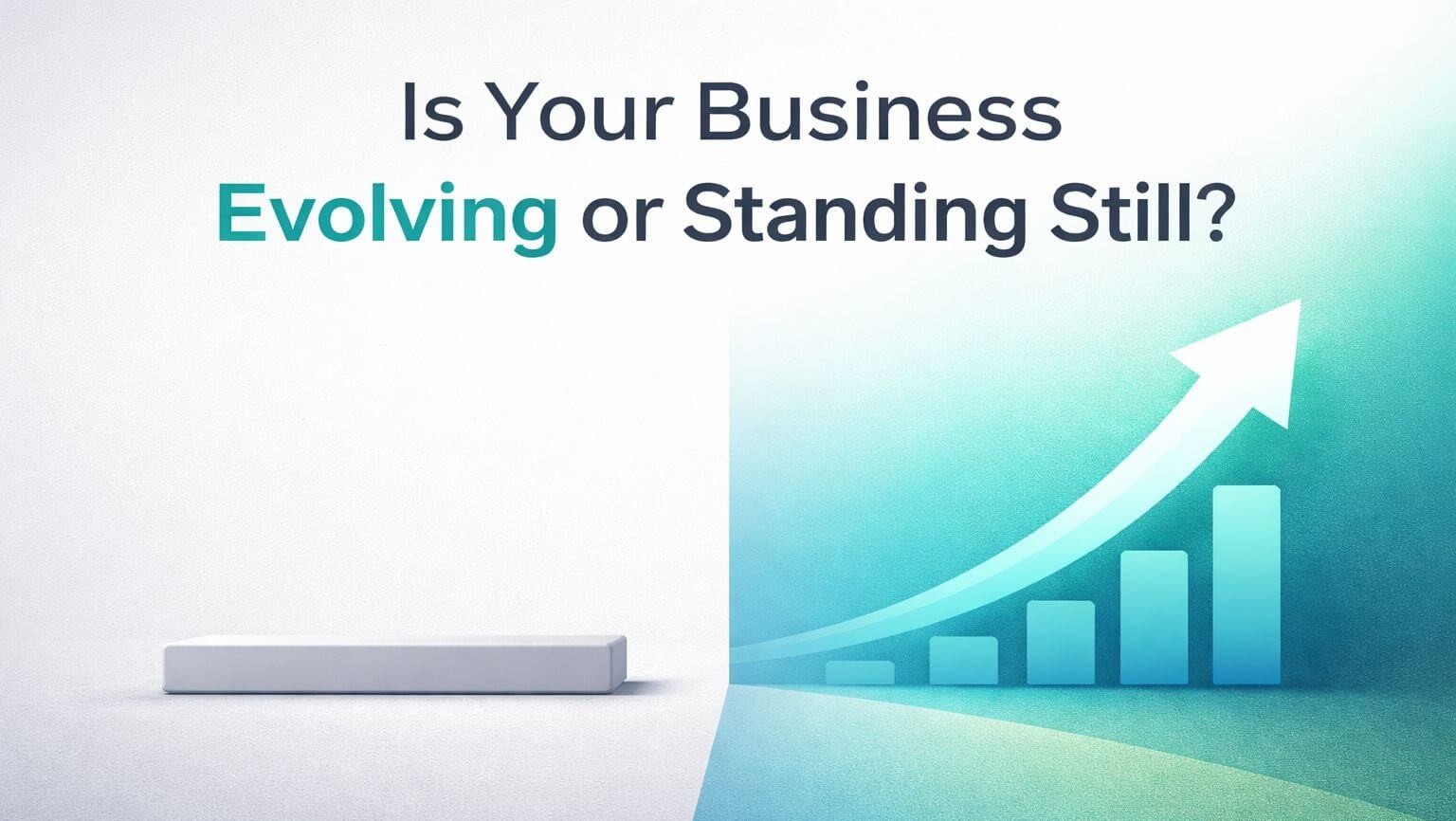
At a recent presentation I attended, the speaker posed a deceptively simple question: Are you running a business or a museum?
The question followed a comment from one of the participants who admitted they weren’t using much data to guide their decisions. In the speaker’s view, that reluctance put the company at risk of falling behind in today’s fast-changing environment.
It might’ve stung in the moment, but the question stuck because there was truth in it. Judging by the expressions around the room, it was clear that everyone else was asking themselves the same thing: Am I running a business or preserving the past like a museum?
If there’s one thing you can count on in business, it’s change. Markets shift, customers expect more, competitors adapt, and technology continues to accelerate.
The businesses that roll with change usually find their stride. The ones that don’t? They start fading—and too often end up going the way of the dinosaurs.
One clear dividing line is how companies analyze and use data. These days, we have more information at our fingertips than ever before, from financial performance and operational efficiencies to customer behaviors and buying patterns. Businesses that treat data as a strategic asset can spot problems early, catch trends before they crest, and make decisions rooted in reality rather than gut instinct alone. The ones that don’t may feel comfortable in the short term, but they’re making decisions in the dark while competitors move forward with clarity.
Leadership style is another area where the “business versus museum” mindset shows up. Top-down, command-and-control approaches might have worked once. But in most workplaces today, people expect something different. They want leaders who are open, flexible, and willing to roll up their sleeves. The best leaders aren’t just decision makers, they’re coaches and learners. Hang on too tightly to the old model and leaders may preserve familiarity but lose engagement, innovation, and talent along the way.
Technology also plays a critical role. From project management and communication tools to automation and AI, technology is reshaping how work gets done. Companies that lean in and adapt tend to move quicker, with fewer errors and more focus. But clinging to “how we’ve always done it” can trap leaders in habits that no longer serve the organization.
Marketing and sales have changed, too. Knowing where leads come from, what messages resonate, and how customers move through the buying process allows businesses to allocate resources more effectively and improve results. Gut feelings might’ve been enough once. Now? They’ll only take a business so far.
But let’s be clear: evolving doesn’t mean abandoning everything that worked in the past. It means knowing what still works and being willing to let go of what doesn’t. Change is coming, whether we’re ready or not. The real question is whether leaders are building a business that can grow with it, or curating something that’s already in the past.